Why an Oviedo FL Pest Control Company is Essential Even for the Cleanest Homes

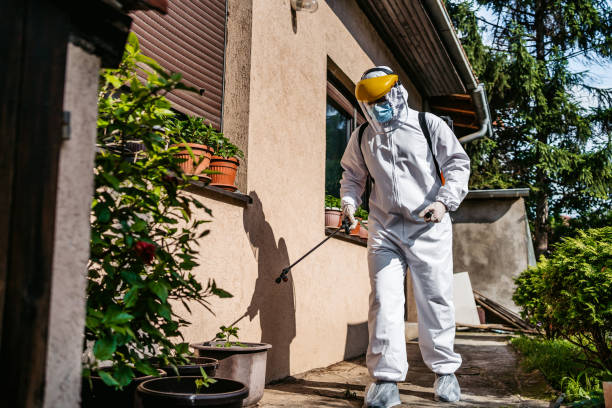
Back yard disinfection for viruses Male person in white chemical protection suit doing disinfection of back yard to stop spreading highly contagious corona virus. Stop coronavirus or COVID-19. pest control stock pictures, royalty-free photos & images


Many people believe that maintaining a clean and organized home is enough to keep pests at bay. While cleanliness is an important factor, it does not guarantee complete immunity from pest infestations. Pests are opportunistic creatures, and their survival instincts drive them to adapt to various conditions—even in homes that appear spotless.

Why Clean Homes Attract Pests

Even in the absence of dirt or visible food sources, pests can still find reasons to invade your home.

  • Moisture: Leaky pipes, dripping faucets, or high levels of humidity can create a hospitable environment for many pests, such as cockroaches, ants, and silverfish.
  • Hidden Food Sources: Crumbs under appliances or food residue in hard-to-reach places like between cabinets can still be sufficient for pests to thrive.
  • Shelter Opportunities: Cluttered storage spaces, cracks in walls, or poorly sealed windows and doors provide safe hiding spots for insects and rodents.
  • Natural Attractants: Plants inside the home or outdoor vegetation near windows and doors can lure pests indoors as they search for new shelter.

Common Pests Found in Clean Homes

A variety of pests can infest even the most orderly households.

Pest Why They Infest Clean Homes
Ants Searching for water sources or sugary residues left behind
Cockroaches Thrive in warm environments with access to moisture
Rodents Seek shelter during colder months; small entry points act as gateways into homes
Spiders Enter homes while hunting prey or finding dark corners to build webs
Silverfish Attracted to paper products (books) and damp areas

How Do Pests Get Inside Spotless Homes?

  1. Hitchhiking on Items: Luggage, grocery bags, secondhand furniture, or packages delivered to your doorstep may carry hidden pests like bed bugs or beetles.
  2. Structural Gaps: Cracks in walls, gaps around utility lines (pipes/wires), and improperly sealed windows allow easy entry points.
  3. Ventilation Systems: Many insects use vents as pathways into the interior of homes.
  4. Pet Pathways: Pets may bring fleas or ticks indoors after being outside.

Tips for Reducing Pest Risks

  • Regularly inspect common entry points such as doors, windowsills, plumbing lines, vents, and chimneys.
  • Repair leaks promptly and use dehumidifiers in areas prone to moisture buildup (e. g. , basements).
  • Store food properly by using airtight containers.
  • Keep trash bins sealed tightly both indoors and outdoors.
  • Trim overgrown bushes or tree branches near the house’s exterior.

Maintaining cleanliness combined with proactive measures will help reduce the likelihood of a pest infestation—even if your home is already sparkling clean on the surface.

A Homeowner’s Guide to Oviedo Pest Control: How to Prepare for Effective Treatments

Preparing your home for a professional pest control treatment from https://www.oviedopestcontrol.net/ is essential for ensuring the process is both effective and safe. By taking the time to properly prepare, you can maximize the results of the extermination and help prevent future infestations. Here’s a step-by-step guide to ensure you’re ready when the exterminator arrives.

How to Prepare for Effective Pest Removal Oviedo FL

Before an exterminator begins their work, it’s crucial that your home is in a condition where they can access key areas and treat them thoroughly.

  • Enhancing the effectiveness of pesticides or treatments.
  • Ensuring safety for all household members, including children and pets.
  • Avoiding contamination of food, dishes, or pantry supplies.
  • Reducing re-infestation risks.

Important Steps to Prepare Your Home

  1. Clean Your Home Thoroughly
    While professional pest control services will target pests directly, maintaining cleanliness ensures pests have fewer hiding places.
  2. Clearing clutter from floors, countertops, and shelves.
  3. Vacuuming carpets, rugs, and furniture thoroughly.
  4. Washing bedding and linens in hot water.
  5. Remove Food Sources
    Pests are often attracted to accessible food.
  6. Store perishable foods in sealed containers or refrigerate them.
  7. Dispose of any open or expired food.
  8. Thoroughly clean crumbs from pantries, countertops, and under appliances.
  9. Move Furniture Away from Walls
    Exterminators need access to baseboards and corners where pests often hide. Move large pieces of furniture like sofas or beds at least 2–3 feet away from walls if possible.
  10. Vacate Pets and Cover Aquariums
    Many pest control products can be harmful to animals:
  11. Relocate pets (dogs, cats, birds) during treatment.
  12. Cover fish tanks with plastic wrap and turn off air pumps temporarily.
  13. Empty Cabinets Where Necessary
    For treatments targeting specific pests like cockroaches or ants:
  14. Remove all items from kitchen cupboards or bathroom vanities if requested by your exterminator.
  15. Place these items in sealed bags or boxes until after treatments are complete.
  16. Seal Entry Points and Fix Leaks
    Pests like rodents thrive in areas with easy access:
  17. Inspect your home for cracks around windows, doors, or vents; seal them before treatment begins.
  18. Repair any water leaks as damp environments attract many pests.

What Not To Do Before Treatment

Common Mistake Why It’s Problematic
Using DIY Sprays May counteract professional treatments
Leaving Clutter Blocks access points needed for exterminators
Staying During Treatment Can result in exposure to chemicals

Post-Treatment Tips

After the exterminator has completed their work:

– Wait until advised before re-entering treated areas.

– Clean surfaces only as directed by your pest control provider—over-cleaning may reduce pesticide effectiveness.

– Monitor for recurring activity over the next few weeks as some infestations take time to fully resolve.

Preparing your home ahead of an extermination not only makes it easier for professionals but also ensures a safer environment during treatment while improving long-term protection against pests.

Understanding Pest Behavior and Survival: The Key to Protecting Your Home from Unwanted Guests

Understanding how pests behave and survive is critical when it comes to safeguarding your home from infestations. Even in clean homes, pests can thrive if they find the right conditions. By learning about their habits, survival tactics, and weaknesses, homeowners can take proactive steps to prevent unwelcome guests.

Why Understanding Pest Behavior is Essential

Pests are not random invaders; they are driven by specific needs such as food, water, and shelter. This knowledge can help homeowners spot vulnerabilities in their homes and implement targeted prevention strategies.

  • Targeted Prevention Measures: Knowing what attracts pests allows you to address the root causes of infestations.
  • Early Detection: Recognizing behavioral patterns can help identify pest activity before it becomes a major problem.
  • Efficient Control Solutions: Tailoring pest control methods based on behavior ensures better results with fewer resources.

How Pests Survive in Seemingly Inhospitable Conditions

Pests have evolved to survive in various environments, including clean homes.

Factor Explanation
Adaptability Many pests, like cockroaches and rodents, adapt quickly to changing conditions.
Small Size Their small size allows them to hide in cracks, crevices, and other hard-to-detect areas.
Nocturnal Nature Most pests are active at night when humans aren’t around to notice them.
Resilience Pests often have high reproductive rates or can go without food for extended periods.

Common Pest Behaviors That Impact Homes

  1. Seeking Shelter’s look for warm, humid areas like basements, attics, and wall voids during extreme weather.
  2. Food Scavenging: Even crumbs or spills that go unnoticed by humans can provide sustenance for pests like ants or mice.
  3. Breeding Habits: Many species reproduce rapidly under favorable conditions—cluttered storage spaces or undisturbed corners are ideal nesting sites.
  4. Entry Through Small Openings: Pests exploit tiny gaps in windowsills, foundations, or vents as entry points.

Effective Ways to Use This Knowledge Against Pests

  • Seal Entry Points: Inspect your home’s exterior for cracks or openings and seal them with caulk or mesh screens.
  • Eliminate Moisture Sources: Fix leaky pipes, use dehumidifiers in damp areas, and ensure proper drainage around the house.
  • Practice Good Food Hygiene: Store all food items in airtight containers and regularly clean kitchen surfaces.
  • Declutter Regularly: Remove unnecessary items from storage areas that could provide hiding places for pests.
  • Monitor High-Risk Areas: Pay attention to basements, crawl spaces, attics, and any dark corners where pests may hide.

Understanding pest behavior is not only about reacting when you see signs of an infestation but also about taking preventative measures before problems arise. Equipped with this knowledge of how pests operate within your living space will allow you to keep your home safe from unwanted invaders year-round.

Identifying Hidden Infestations Early with the Help of an Exterminator Oviedo FL

Even the cleanest homes are not immune to pest infestations. In fact, many pests can thrive in spotless environments due to factors such as warmth, access to food sources, and hidden entry points. Identifying early signs of pest activity is critical for preventing minor issues from escalating into full-blown infestations. Below, we outline key signs homeowners should watch for when monitoring their spaces.

Unusual Sounds and Movements

Pests often give themselves a way through the noises they make while moving or nesting.

Pay attention to:

– Scratching or rustling sounds coming from walls, ceilings, or attics (common with rodents).

– Buzzing sounds that might indicate wasps, bees, or flies.

– Scuttling noises at night, which could suggest cockroach activity.

Droppings and Urine Trails

Pest droppings are a direct indicator of an infestation.

Urine trails may also be present with rodents and can emit an ammonia-like odor.

Physical Damage

Look for structural damage or disturbances that pests may leave behind:

– Gnawed wood furniture or baseboards (often caused by rodents).

– Holes in food packaging.

– Chewed electrical wires.

– Frayed fabrics caused by moths or carpet beetles.

Grease Marks and Smudges

man chose to use exterminate chemicals Termites that are not toxic to humans are mixed with water in a tank for spraying Exterminate termites allow young men to spray termites themselves by himself man chose to use exterminate chemicals Termites that are not toxic to humans are mixed with water in a tank for spraying Exterminate termites allow young men to spray termites themselves by himself pest control stock pictures, royalty-free photos & images

Rodents often leave greasy trails as they travel along walls and through tight spaces. These marks can appear as smudges on surfaces frequently used as pathways.

Odors Associated with Pests

Unusual odors may signal a pest infestation:

– A stale smell near possible nesting areas could point to rodents.

– A musty odor is often associated with cockroaches.

– Sweet yet unpleasant scents may indicate bed bugs.

Dead Pests

Finding dead insects or pests inside your home can be an early warning sign. Check windowsills, corners of rooms, and beneath furniture for carcasses.

Nesting Evidence

Pests like mice and rats construct nests using soft materials such as shredded paper, fabric, insulation, or dried leaves. Look for hidden nests under appliances, inside wall voids, or in basements.

Tips for Early Detection

Regular inspections can help you identify potential infestations before they worsen. Here’s how you can stay proactive:

1. Check rarely used storage areas like attics and basements regularly.

2. Inspect food items and packaging for tears or holes before bringing them indoors.

3. Monitor high-moisture areas like bathrooms and kitchens where pests are likely to gather.

4. Install pest monitors — such as glue boards — in strategic locations around the home to detect activity early on.

By staying vigilant and understanding these subtle signs of pest activity in even the cleanest homes, you can act quickly to address issues before they become major problems that require extensive treatment plans. Monitoring your living space consistently is key to maintaining a pest-free environment year-round.

Rodents such as rats and mice can cause significant damage to your property, spread diseases, and contaminate food. Maintaining a rodent-free home requires proactive measures, even in clean and organized households. Below are six practical steps to protect your home from rodent infestations.

Rodents can squeeze through surprisingly small openings—gaps as small as a quarter inch for mice or half an inch for rats are sufficient for them to gain access.
– Doors and windows
– Plumbing pipes and utility lines
– Roof vents and chimneys
– Foundations and walls

Use materials like steel wool, caulk, or hardware cloth to seal these entry points effectively. Avoid using materials such as plastic or wood that rodents can chew through.

While cleanliness alone won’t guarantee a rodent-free home, it does remove potential food sources that attract them.

– Clean up crumbs and spills immediately in kitchens and dining areas.

Clutter provides rodents with hiding spots both inside the house and around its exterior.
Indoors:
– Keep storage areas organized by storing items in sealed plastic containers rather than cardboard boxes.

– Clear out unused materials like newspapers or old clothes that may serve as nesting sites.

Outdoors:
– Trim overgrown vegetation near the foundation of the house.

– Remove debris piles such as firewood stacked directly against walls.

A well-maintained environment discourages rodents from building nests nearby.

Rodents require water just as much as food to survive.
– Repairing leaky faucets or pipes promptly.

– Ensuring gutters are clear of debris so water doesn’t collect near the foundation.

– Using dehumidifiers in basements or crawl spaces where moisture tends to accumulate.

Limiting water sources within your home will make it less hospitable for rodents.

Your yard plays a critical role in deterring—or attracting—rodents to your home’s perimeter: | Landscaping Tips | How It Helps | |———————————–|———————————————| | Keep grass trimmed short | Reduces hiding spaces for rodents | | Use gravel instead of mulch | Deters burrowing activities near your walls | | Install metal barriers on trees | Prevents climbing access into roofs |

Taking these precautions lowers the risk of outdoor rodents migrating indoors.

Regular inspections ensure you catch potential infestations early before they escalate into larger problems:

1. Look for droppings along baseboards or behind appliances.

2. Check corners of attics, basements, or garages for shredded nesting material.

3. Listen at night when rodents are most active—scratching sounds may indicate their presence.

If you notice signs of activity despite preventive measures, contact a professional pest control expert promptly for further evaluation.

By following these six steps consistently, homeowners can significantly reduce their chances of dealing with rodent infestations while maintaining peace of mind in their living spaces.

Rodents, such as mice and rats, are not only destructive but also carriers of diseases that can pose significant health risks. Preventing a rodent infestation in your home requires proactive measures to eliminate entry points, minimize attractants, and maintain a clean environment. Below are six practical steps you can take to safeguard your home from these unwelcome pests.

Rodents can squeeze through surprisingly small openings, making it essential to inspect your home for potential entry points.
Cracks and gaps: Use caulk or expanding foam to seal cracks in walls, floors, and around utility pipes.
Doors and windows: Ensure weatherstripping is intact and install door sweeps if needed.
Vents and chimneys: Cover these with mesh screens to prevent rodents from entering without obstructing airflow.

A thorough inspection of your home’s foundation, roofline, and external walls will help identify vulnerabilities.

Rodents are drawn to accessible food sources.
– Store dry goods like grains, cereals, and pet food in airtight containers made of metal or thick plastic.
– Avoid leaving food out on counters or exposed overnight.
– Regularly clean up crumbs and spills in the kitchen or dining areas.

Taking these precautions reduces the likelihood of rodents finding sustenance in your home.

While cleanliness alone cannot entirely prevent infestations, it does eliminate key attractants for rodents:
– Vacuum floors regularly to remove food particles.

– Dispose of garbage daily using bins with tight-fitting lids.

– Declutter storage areas such as basements or garages where rodents may hide.

Reducing clutter also makes it harder for rodents to find nesting spots within your home.

The exterior of your property plays a critical role in deterring rodent activity indoors:
– Trim back vegetation that touches your house as it can serve as a bridge for rodents seeking access.

– Keep firewood at least 20 feet away from the house and elevated off the ground.

– Secure compost bins tightly and avoid placing them directly against walls.

By managing outdoor conditions strategically, you minimize opportunities for rodents to enter your home from outside.

Using traps or bait stations around known hotspots can act as an early line of defense against rodent intrusion: | Type | Pros | Cons | |————-|——————————–|————————————-| | Snap Traps | Quick results; reusable | Requires frequent monitoring | | Glue Boards | Easy setup; cost-effective | May not kill instantly (inhumane) | | Bait Boxes | Long-lasting; good for outdoors| Potential risk if pets/children access |

Place traps near suspected entryways like baseboards and behind appliances while ensuring they remain inaccessible to pets or children.

Even with prevention measures in place, vigilance is crucial:

– Inspect common hiding spots such as under sinks, inside cabinets, or behind appliances for droppings or gnaw marks.

– Listen for scratching noises in walls or ceilings that may indicate rodent activity.

– If signs of infestation appear despite preventive efforts, contact a professional pest control service immediately for effective resolution.

Prompt detection allows homeowners to address potential infestations before they escalate into larger issues.

By implementing these six steps consistently throughout the year—especially during colder months when rodents seek warmth indoors—you can reduce the risk of infestations while maintaining a safer environment for you and your family.

How Pests Sneak into Clean Homes: Exploring the Surprising Entry Points for Unwelcome Visitors

Even the cleanest homes are not entirely immune to pest invasions. While maintaining a spotless and well-kept environment can help reduce the risk of infestations, it does not guarantee complete protection. Many pests are masters of exploitation, finding ways to enter your home despite your best efforts. Understanding how and where these unwelcome visitors gain access is essential in guarding against them effectively.

Common Entry Points for Pests

Pests often exploit weak points in a home’s structure or areas that are difficult to detect.

  1. Small cracks in walls, foundations, or gaps around window frames provide entry points for ants, cockroaches, and spiders. Rodents such as mice can squeeze through holes as small as a dime.
  2. Improperly sealed doors or windows can leave minuscule spaces that pests like flies, mosquitoes, or even rodents can crawl through.
  3. Torn window screens also serve as easy access points.
  4. Unscreened vents or poorly maintained HVAC systems can serve as highways for insects such as cockroaches, spiders, or small rodents.
  5. Chimneys without proper caps may allow birds or squirrels to enter.
  6. Gaps around pipes under sinks or where plumbing enters walls often provide a perfect gateway for pests like cockroaches and rats.
  7. Missing shingles, unsealed roof vents, and other roofing defects invite pests such as bats or squirrels.
  8. Gutters clogged with debris create an ideal nesting area for insects.
  9. Utility lines entering your home often leave small openings that rodents can easily navigate.

Factors That Attract Pests

  • Moisture Sources Leaking pipes, standing water in sinks or tubs, or damp basements attract pests like termites, cockroaches, and silverfish.
  • Food Odors Even crumbs left behind after cleaning may lure ants.
  • Shelter Opportunities Dark spaces such as attics and basements offer safe hiding places.

Preventing Entry: Practical Tips

  • Seal gaps around doors and windows using weatherstripping or caulk.
  • Regularly inspect your home’s foundation for cracks; repair promptly if found.
  • Install mesh screens over vents and chimneys to block pest access.
  • Keep gutters clear of leaves to prevent nesting opportunities.
  • Use steel wool to block holes near utility lines since many pests cannot chew through it.
Problem Area Solution Tools Needed
Cracks in walls Seal with caulk Caulking gun
Torn window screens Replace with new mesh Screen replacement kit
Gaps under doors Install door sweeps Door sweep kit
Chimney openings Add chimney caps Metal chimney cap

Final Thoughts

Knowing how pests sneak into even clean homes helps homeowners stay vigilant about potential vulnerabilities in their properties. Applying proactive measures reduces the risk of infestations significantly while creating an inhospitable environment for unwanted visitors. Regular inspections combined with proper maintenance will help ensure that your spotless sanctuary remains pest-free year-round.


Ensuring a Safe and Effective Process with an Oviedo FL Pest Control Company Before and After Treatment

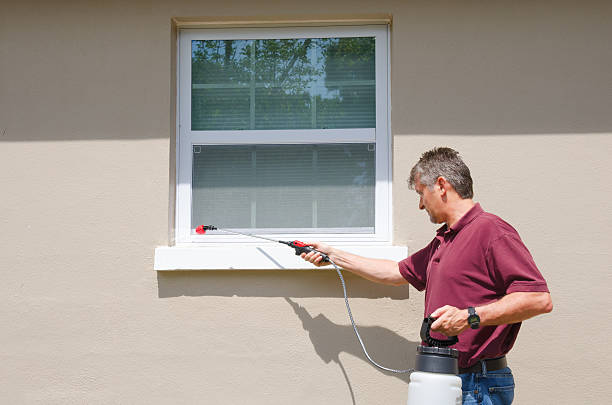
Professional pest control service DIY home owner A professional pest control service man or do-it-yourself home owner spraying pesticide on the outside of house to keep bugs out. pest control stock pictures, royalty-free photos & images

Pest control treatments are an essential step in maintaining a healthy, pest-free environment at home or in the workplace. However, to achieve the best results and ensure safety for everyone involved, it is crucial to follow specific steps both before and after the treatment. Below is a guide to help you navigate this process effectively.

Steps to Take Before Pest Control Treatment

  • Declutter the targeted areas:
    Clear out areas where pests are most likely hiding or breeding. This could include spaces under sinks, closets, storage areas, or corners of rooms.
  • Remove food and kitchen items:
    Store all food items in sealed containers or remove them from treatment areas entirely. Empty cabinets, countertops, and pantries as needed. This step prevents contamination while allowing full access for pest control professionals.
  • Vacuum carpets and clean floors:
    Thoroughly vacuuming carpets and cleaning floors will eliminate crumbs, debris, and pest droppings that may be present.
  • Cover aquariums or pet enclosures:
    If you have pets like fish or reptiles in tanks or cages, cover their enclosures tightly with plastic wrap. Consider turning off air pumps temporarily during treatment.
  • Relocate houseplants (if necessary):
    Some treatments may not be safe for plants if they come into direct contact with certain chemicals. Move them away from treated zones.
Preparation Task Purpose
Decluttering Provides access to hidden spaces where pests might reside
Food Removal Prevents contamination of food sources
Cleaning Surfaces Eliminates potential pest attractants like crumbs
Pet Safety Measures Protects pets from exposure to harmful chemicals

Actions to Take After Pest Control Treatment

  • Avoid cleaning treated surfaces immediately:
    Allow pesticides or sprays sufficient time to settle and work effectively. Follow your service provider’s instructions on when it is safe to clean treated areas.
  • Dispose of contaminated items properly:
    If any items were exposed directly during the treatment (e.g., open food packets), discard them safely.
  • Monitor pest activity regularly:
    Observe whether there is any continued movement of pests post-treatment. Dead pests may also be visible; dispose of these promptly while wearing gloves.
  • Repair entry points immediately:
    Check for cracks in walls, holes near pipes, or gaps under doors that could allow future infestations. Seal these entry points using caulk or weatherstripping as appropriate.

Safety Priorities During Both Phases

  1. Always wear gloves when handling contaminated objects.
  2. Keep children and pets away from treated zones until deemed safe by professionals.
  3. Ventilate your space by opening windows after treatment if advised by your pest control provider.
  4. Store leftover products securely if you’re conducting DIY applications; ensure proper labeling for future reference.

By adhering to these guidelines before and after a pest control session, you not only maximize its effectiveness but also sustain a safer living environment over time.

Effective Oviedo Pest Control Services for Comprehensive Pest Management

When dealing with pest infestations, many homeowners are tempted to turn to do-it-yourself (DIY) solutions. While these methods might provide temporary relief, they often fail to address the root cause of the problem. Professional pest control services offer a comprehensive approach that ensures long-term effectiveness and safety. Below, we explore why relying on professional pest control services is essential for effective pest management.

Professional Pest Removal Oviedo FL Services

  • Determine the extent of an infestation.
  • Identify the specific species causing problems.
  • Implement targeted treatment strategies tailored to each pest type.

Unlike DIY methods, which often involve trial and error, professionals use evidence-based techniques that maximize efficiency while minimizing harm to the environment.

Safe Use of Pesticides

  • Select low-toxicity or eco-friendly products whenever possible.
  • Follow strict guidelines for pesticide application.
  • Take measures to minimize exposure risks during and after treatment.

This ensures your family’s safety while still effectively eliminating pests.

Comprehensive Inspection and Prevention Strategies

Factors Conducive to Pests Examples
Moisture issues Leaking pipes or standing water
Structural vulnerabilities Cracks in walls or poorly sealed windows
Cluttered areas Stacks of cardboard boxes or debris

By pinpointing these factors, professionals develop preventive strategies that reduce the likelihood of future infestations.

Access to Advanced Tools and Techniques

  • High-powered vacuums for bed bug removal.
  • Infrared cameras for detecting termite activity inside walls.
  • Baits designed specifically for difficult-to-control pests like ants or cockroaches.
  • Advanced traps tailored for rodents.

These tools enable professionals to tackle even severe infestations efficiently without resorting solely to chemical treatments.

Customized Treatment Plans

  1. Type(s) of pests present.
  2. Severity of infestation.
  3. Environmental factors around your property (e.g., nearby vegetation or water sources).
  4. Household-specific concerns such as allergies or pets.

This personalized approach ensures optimal results compared with generic over-the-counter solutions.

Long-Term Cost Savings

Though some homeowners hesitate due to initial costs associated with professional services, investing in skilled extermination often saves money over time by preventing recurrent infestations or costly structural damage caused by pests like termites or rodents.

DIY Methods Professional Services
May require repeated applications Typically resolves issue in fewer visits
Limited effectiveness on hidden problems Addresses root causes directly
Risky chemical handling Safe application by certified experts

Spending slightly more upfront reduces potential expenses down the line due both recurring treatments needed when insufficiently managed alone along additional repairs necessary due prolonged-undetected damages left untreated .

Effective-management means peace knowing living spaces healthier cleaner safer children adults alike future-proofed consistent monitoring advice tips ongoing basis .

The Importance of Professional Pest Control Services for Effective Pest Management

Pest infestations can be a persistent and frustrating issue for homeowners and businesses alike. While DIY pest control methods might be tempting due to their lower upfront costs, professional pest control services provide a more effective, long-term solution. Here’s why relying on professionals is crucial for managing pests effectively and protecting your property.

Expertise and Knowledge

One of the primary advantages of professional pest control services is the expertise that trained technicians bring to the table. Professionals understand:
Pest Behavior: Technicians are trained to identify common pests, their nesting habits, reproduction cycles, and vulnerabilities.
Treatment Techniques: They use proven methods tailored to specific pests, ensuring maximum effectiveness while minimizing risks to people, pets, and the environment.
Regulations: Professionals are knowledgeable about local pesticide regulations, ensuring that treatments are safe and legally compliant.

Customized Treatment Plans

No two pest infestations are identical; each situation requires a unique approach:
– Professionals conduct thorough inspections to assess the infestation’s extent.
– Based on their findings, they develop a customized treatment plan targeting the root cause rather than just addressing surface-level issues.
– Preventative measures are included in these plans to help avoid future infestations.

Pest Type Common Entry Point Recommended Treatment Long-Term Measures
Ants Cracks in walls/floors Bait traps/gel applications Sealing cracks; removing food crumbs
Termites Wood structures Liquid termiticides Routine inspections; wood treatment
Rodents Holes/gaps in walls Traps; rodenticides Sealing entry points; proper waste disposal

Use of Advanced Tools and Products

Exterminator Professional worker in protective workwear using sprayer for disinfection and disease control. Covid-19 and coronavirus pandemic concept. pest control stock pictures, royalty-free photos & images

Professional pest control companies have access to tools and treatments unavailable to the general public.

These include:
1. Industrial-grade pesticides with higher efficacy and longer-lasting effects compared to over-the-counter options.
2. Specialized equipment, such as heat treatment machines or fumigation tents used for severe infestations like bed bugs or termites.
3. Eco-friendly solutions designed for environmentally conscious clients who prefer non-toxic alternatives.

Safety Assurance

Handling pesticides improperly can pose significant risks to health and safety:

– Professionals ensure safe application by using proper protective equipment (PPE) during treatments.

– They educate clients on post-treatment precautions necessary for maintaining a safe living or working environment.

– By adhering to safety protocols, they minimize exposure risks for occupants.

Cost-effectiveness in the Long Run

Although professional services may seem costly upfront, they often save money over time by preventing recurrent infestations:

1. DIY methods may provide temporary relief but fail at addressing underlying problems.

2. Ineffective treatments could lead to property damage (e.g., termite damage) that becomes exponentially costly if left untreated.

3. Professional-grade solutions eliminate pests more efficiently than trial-and-error approaches commonly associated with DIY efforts.

Ongoing Monitoring Support

Many pest control companies offer ongoing monitoring services as part of their packages:

– Regular inspections help detect early signs of new infestations.

– Maintenance plans ensure that preventive measures remain intact over months or years. This proactive approach reduces the likelihood of reinfestation significantly.

Hiring a professional service means entrusting experts with safeguarding your home or business from harmful pests efficiently, safely, and sustainably—offering peace of mind while protecting your investment from potential damage caused by unchecked infestations.

Preparation Steps to Take Before Pest Control Treatment for Maximum Effectiveness

Proper preparation before a pest control treatment is essential to ensure the process is both safe and effective. By taking specific steps, you can maximize the impact of the treatment while protecting your household from potential exposure to chemicals or other pest control methods. Below is a detailed guide on what you need to do before pest control professionals arrive.

1. Clean Up the Area

Before any pest control treatment, it’s crucial to clean and declutter your home. This serves two purposes: it removes hiding spots for pests and ensures access to areas that need treatment.

Cleaning checklist:
– Vacuum carpets, rugs, and upholstery thoroughly.
– Mop floors to remove food crumbs or spills that might attract pests.
– Wipe down countertops, cabinets, and other surfaces in kitchens and bathrooms.
– Store food items in sealed containers or move them out of the treatment area temporarily.

2. Store Belongings Safely

To protect personal items from contamination during treatment:
– Cover furniture with plastic sheets if advised by your pest control provider.
– Remove small objects like toys, books, and decor from the targeted areas.
– Store clothing, bedding, and pet supplies in sealed bags or containers if required.

3. Plan for Pets and Plants

Pest control treatments often involve chemicals that could harm pets or plants if exposed unnecessarily.

Steps to prepare:
– Relocate pets (including aquariums) temporarily outside the treated spaces.

– Cover fish tanks or terrariums with plastic wrap, ensuring proper air circulation.

– Move potted plants outdoors during the application process.

4. Access Points for Professionals

Pest control technicians may need easy access to specific parts of your home during their visit.

Key preparation actions include:
– Pulling furniture away from walls where pests might hide.

– Clearing storage spaces such as closets or under-sink cabinets.

– Ensuring all doors, windows, basements, attics, and garages are accessible.

5. Communicate Specific Concerns

Every home faces unique pest challenges depending on factors like geography or seasonality. Before the appointment:
1. Share details about recent pest activity with your technician (e.g., sightings of ants near windows).
2. Highlight sensitive areas (e.g., children’s rooms). This may influence how treatments are applied.

Example Table for Easy Reference

Preparation Task Why It’s Important Additional Notes
Clean floors & surfaces Removes food sources & makes pests easier to target Focus on kitchens & bathrooms
Store food securely Prevents contamination during spraying Use airtight containers
Provide technician access Ensures thorough inspection & complete coverage Move furniture as needed

By following these preparation steps consistently before every scheduled treatment, you can significantly improve its effectiveness while maintaining safety within your household environment.

Effective Pest Control Solutions from a Trusted Exterminator in Oviedo FL

Pests often invade homes through tiny cracks, gaps, and unsealed entry points. Effectively sealing these areas and regularly monitoring for pest activity can significantly reduce infestations and help maintain a pest-free environment. Here’s how you can take practical steps to protect your home.

Identifying Common Entry Points

  • Doors and Windows: Gaps around doorframes or improperly sealed windows are common entry points for insects like ants, spiders, and flies.
  • Vents: Roof vents or dryer vents can allow rodents or larger pests easy access indoors if not properly screened.
  • Foundation Cracks: Small cracks in the foundation of your home create pathways for pests such as termites or cockroaches.
  • Pipes and Utility Lines: Openings where water pipes, gas lines, or electrical cables enter your home are often overlooked but can serve as entry points for rodents or insects.
  • Roof Damage: Broken shingles or gaps in soffits provide an opportunity for birds, bats, or squirrels to invade attics.

How to Seal Entry Points Effectively

  1. Install weather stripping around doors that have noticeable gaps.
  2. Apply caulk around window frames where cracks are visible.
  3. Use door sweeps on the bottoms of exterior doors to prevent crawling pests from entering.
  4. Use concrete patching material to fill any visible foundation cracks.
  5. Consider hiring a professional if you notice extensive damage.
  6. Apply expanding foam sealant around pipes exiting walls.
  7. Use steel wool combined with caulk for small holes that rodents may chew through.
  8. Install mesh screens over vents and chimney openings.
  9. Check periodically to ensure screens remain intact without holes.
  10. Replace broken roof tiles or shingles promptly.
  11. Repair any damaged soffits or fascia boards.

Monitoring Ongoing Pest Activity

Sealing entry points is only one part of an effective pest control strategy. Regular monitoring ensures that any new infestations are quickly identified before they become severe.

Create a Regular Inspection Schedule

  • Inspect vulnerable areas like basements, attics, and kitchens monthly.
  • Check outdoor perimeters for signs of nesting activity near foundations or landscaping features.

Recognize Signs of Infestation

Be vigilant for indicators such as:

– Droppings (common with rodents)

– Gnaw marks on furniture or wires

– Unexplained grease marks along walls (rodent trails)

– Discarded wings near windowsills (from termites)

Use Monitoring Devices

Consider using tools such as: | Device | Purpose | Example Pests Targeted | |——————–|——————————————-|——————————–| | Sticky traps | Captures crawling insects | Spiders, cockroaches | | Rodent bait stations | Tracks rodent movement/activity | Mice, rats | | Motion-sensor cameras | Monitors nocturnal pest behavior | Squirrels, raccoons |

Benefits of These Measures

By sealing potential entry points and maintaining an active monitoring approach:

– You reduce reliance on chemical treatments by preventing infestations altogether.

– You’ll save money in the long term by avoiding structural damage caused by pests like termites or rodents.

– Your home becomes more energy-efficient due to reduced drafts from sealed gaps.

Taking consistent preventative measures ensures not only a pest-free environment but also peace of mind knowing your living space is secure from infestations year-round.


Effective Fly Infestation Solutions from an Exterminator in Oviedo FL

Doing Pest Control At Home Pest Control Worker Spraying Pesticide At Home pest control stock pictures, royalty-free photos & images

Fly infestations are not only a nuisance but can also pose significant health risks if left unchecked. This section explores common causes of fly infestations and outlines actionable measures to combat them.

Effective Solutions from an Oviedo FL Pest Control Company for Fly Infestations

Flies are attracted to environments that provide them with food, moisture, and suitable breeding conditions.

  • Food Waste and Organic Matter: Flies often congregate around improperly stored food, garbage, or decaying organic materials such as fruits, vegetables, and animal waste.
  • Standing Water: Stagnant water sources like clogged drains, leaky pipes, or overwatered plants create ideal breeding grounds for certain species of flies.
  • Poor Sanitation: Areas with inadequate cleaning practices or unsanitary conditions can quickly attract flies.
  • Open Doors and Windows: Leaving doors or windows open without screens provides easy access for flies to enter your space.
  • Pet Waste: Unattended pet waste in yards or litter boxes is another common attractant for flies.

Strategies to Combat Fly Infestations

Effectively managing a fly infestation requires a combination of prevention techniques and targeted interventions.

  1. Dispose of trash regularly in tightly sealed bins.
  2. Clean countertops, tables, and food preparation areas immediately after use.
  3. Wash dishes promptly instead of leaving them in the sink.
  4. Remove any standing water sources indoors and outdoors.
  5. Ensure drains are free from clogs where moisture may accumulate.
  6. Regularly clean up pet waste from yards or litterboxes.
  7. Install window screens or repair damaged ones to block entry points.
  8. Use self-closing doors in high-traffic areas.
  9. Place air curtains at entrances where fly activity is high.
  10. Use sticky fly traps near problem areas such as garbage bins or compost piles.
  11. Consider bait traps with attractants specifically designed for common fly species.
  12. Natural Repellents Common household items like essential oils (e. g.
  13. Professional Pest Control If the infestation persists despite DIY efforts:
    • Hire licensed pest control experts who specialize in combating severe infestations.
    • They may use chemical treatments tailored to your needs while ensuring safety regulations are followed.

Tips for Long-Term Prevention

To prevent future infestations: – Implement regular deep cleaning schedules for hidden spaces like under appliances or in storage areas. – Inspect potential entry points such as torn screens or small gaps around doors/windows and seal them promptly. – Avoid leaving ripe fruits exposed on counters; store them in airtight containers instead.

By understanding the causes behind fly infestations and adopting both proactive measures as well as targeted interventions when necessary, you can effectively minimize their presence while protecting your living environment from associated risks.

Effective Oviedo Pest Control: Causes of Fly Infestations and Prevention Strategies

Despite repeated efforts to remove them, flies often return persistently. This can be frustrating and can pose health risks if not addressed effectively. To control a fly infestation successfully, it is essential to understand why they keep coming back, the risks they pose, and the strategies that can prevent future infestations.

Common Causes of Fly Infestations

  1. Flies are naturally attracted to organic materials such as food scraps, rotting fruit, or garbage bins. Even small crumbs and spills left unnoticed can attract flies.
  2. Decomposing organic matter in drains or trash cans provides an ideal breeding ground for flies.
  3. Accumulated waste or unclean surfaces in kitchens, dining areas, or outdoor spaces allow flies to feed and multiply quickly. Poor sanitation practices contribute significantly to persistent infestations.
  4. Stagnant water in sinks, leaky pipes, drains, or outdoor areas like birdbaths creates a conducive environment for certain species of flies (e. g. , drain flies).
  5. Gaps around doors and windows or improper sealing allow easy access for flies into indoor spaces.
  6. Nearby waste disposal sites or compost piles can serve as external breeding grounds for houseflies that infiltrate your property.

Effective Pest Removal Oviedo FL: Addressing Persistent Fly Problems

  • Health Hazards: Flies carry pathogens responsible for diseases such as salmonella, dysentery, cholera, typhoid fever, and E. coli infections by contaminating food surfaces.
  • Spread of Bacteria: Their habit of landing on unsanitary materials (e. g. , garbage or feces) increases the likelihood of transferring harmful bacteria.
  • Decreased Hygiene Standards: In homes or businesses like restaurants and hospitals, recurring fly infestations reflect poorly on hygiene practices.

Preventive Strategies to Address Fly Infestations

  • Clean up food spills immediately after meals.
  • Wash kitchen counters regularly with disinfectant solutions.
  • Dispose of garbage daily in sealed bags and clean trash bins weekly.
  • Repair cracks in walls or gaps around door frames where pests might enter.
  • Prevent standing water by fixing leaks promptly.
  • Ensure proper drainage for sinks and outdoor areas prone to water accumulation.
  • Maintain compost piles properly by covering them securely.

Several products may assist in managing recurring problems: | Product Type | Example | Benefits | |———————–|——————————–|———————————–| | Sticky Fly Traps | Adhesive strips | Captures adult flies effectively | | UV Light Traps | Electric bug zappers | Attracts & kills flying insects | | Insecticides | Aerosol sprays | Offers fast knockdown effects | | Drain Cleaners | Enzyme-based cleaners | Eliminates organic residue |

By understanding what attracts flies back repeatedly as well as addressing environmental factors through preventive measures—such as improved hygiene protocols—you can minimize their presence while maintaining safe surroundings efficiently over time without relying exclusively on reactive solutions like pesticides alone.

How Quickly Flies Reproduce and Why It Matters for Pest Control

Understanding how quickly they reproduce and why this matters for pest control efforts is critical in effectively managing infestations.

The Reproductive Cycle of Flies

  • Egg Stage: Female flies can lay up to 500 eggs during their lifetime, often in organic matter such as trash, decaying food, or manure. Eggs typically hatch within 8–24 hours.
  • Larval Stage: After hatching, larvae feed on organic material at the breeding site for 3–5 days before transitioning into the pupal stage.
  • Pupal Stage: The pupa develops into an adult fly within 3–6 days under ideal conditions.
  • Adult Stage: Once emerged, adult flies are capable of reproducing just 2–3 days later. With lifespans lasting 15–30 days on average, they have significant time to contribute to population growth.

In optimal warm environments with plenty of food sources, flies can complete their life cycle in just 7–10 days. This rapid reproduction rate explains why infestations can escalate so quickly.

Why Rapid Reproduction Matters

  1. A small number of flies can turn into a full-blown infestation in a matter of weeks if left unaddressed.
  2. For example: | Starting Adults | Population After Two Weeks | |—————–|—————————–| | 2 | ~400 | | 10 | ~2,000 | (Estimates based on optimal reproduction conditions.
  3. More flies mean more opportunities for pathogens to spread via contaminated surfaces or food.
  4. Common diseases transmitted by flies include Salmonella, E. coli infections, and dysentery.
  5. Delayed response allows populations to grow exponentially.
  6. Larger infestations require more intensive pest control methods.

Strategies to Minimize Fly Breeding Sites

  • Regularly dispose of garbage and keep trash bins sealed.
  • Remove pet waste from outdoor areas daily.
  • Eliminate standing water sources such as clogged drains or overwatered plants.
  • Ensure proper ventilation near compost heaps to limit moisture buildup.
  • Install ultraviolet light traps in enclosed indoor areas prone to infestations.

Understanding the speed at which flies reproduce helps emphasize the need for proactive measures to reduce breeding sites and deter future invasions effectively. Early intervention is key when dealing with these fast-breeding pests.

Health Risks Associated with Flies and Steps to Protect Your Home

Health Risks Linked to Flies

Flies are known carriers of numerous bacteria, viruses, and parasites that can cause serious diseases in humans.

  • Foodborne Illnesses: Houseflies often land on decaying organic matter, feces, or garbage before coming into contact with food. Escherichia coli (Salmonella, and Campylobacter, which cause food poisoning.
  • Dysentery: Certain flies can transmit infections leading to severe diarrhea and abdominal pain.
  • Cholera: Flies can spread Vibrio cholerae, the bacterium responsible for cholera outbreaks in areas with poor sanitation.
  • Eye Infections: Flies, particularly face flies, are linked to the transmission of conjunctivitis or eye infections such as trachoma.
  • Parasitic Worms: Some species of flies may be involved in spreading parasitic worms harmful to both humans and pets.

How Flies Spread Disease

Exterminator Man treating house for pest control. Professional exterminator. pest control stock pictures, royalty-free photos & images

  1. Physical Contact: Their legs, wings, and bodies pick up bacteria from contaminated surfaces or waste material. When they land on clean surfaces or food items, they transfer these germs.
  2. Regurgitation: Flies vomit digestive enzymes onto food surfaces before consuming them, further spreading microbes.
  3. Excretion: Their droppings contain infectious agents that contaminate homes or workspaces.

Steps to Protect Your Home from Fly-Associated Risks

Preventing a fly infestation is critical for reducing health hazards at home.

  1. Wipe down kitchen counters regularly.
  2. Dispose of trash promptly using sealed garbage bins.
  3. Clean up pet waste from outdoor areas immediately.
  4. Use airtight containers for storing perishable foods.
  5. Keep fruits and vegetables refrigerated instead of leaving them exposed on countertops.
  6. Remove standing water from sinks, pet bowls, plant saucers, and clogged drains.
  7. Regularly clean compost bins and ensure they are tightly sealed.
  8. Install self-closing doors or door sweeps to reduce entry points for flies.
  9. Place fly-repelling plants like basil, mint, lavender, or marigolds near windowsills or doorways.
  10. Consider homemade traps using vinegar or sugar water solutions placed in bottles with small openings.
  11. Use Professional Pest Control Solutions: If preventive measures don’t suffice or infestations persist, consult a pest control expert for targeted treatments tailored specifically for fly eradication.

Summary Table for Quick Reference

Risk Factor Preventive Measure Additional Actions
Contaminated Surfaces Clean countertops daily Disinfect areas commonly exposed to flies
Open Garbage Bins Use sealed bins Empty bins frequently
Standing Water Eliminate breeding sites Dry damp areas promptly
Unprotected Food Store in airtight containers Keep food refrigerated

By understanding the dangers associated with flies—and taking proactive steps—you’ll create a safer environment while minimizing potential health risks linked to these pests.

Why Flies Are Attracted to Your Space and How to Eliminate the Problem

Their presence is not only a nuisance but also a potential health risk, as flies can carry and transmit harmful pathogens. Fortunately, identifying the factors that attract flies and implementing targeted solutions can help you maintain a fly-free environment.

Common Reasons Why Flies Are Attracted to Your Space

Flies are opportunistic insects that thrive in environments offering food, moisture, and shelter.

  1. Exposed garbage: Trash bins with open lids or improperly sealed bags release odors that attract flies.
  2. Leftover food: Crumbs, spills, or unwashed dishes provide a direct food source.
  3. Pet food: If pet food bowls are left out too long, they may become magnets for houseflies.
  4. Standing water in sinks, drains, or leaking pipes creates perfect breeding grounds for flies.
  5. Damp organic matter (e. g. , soil in potted plants) can also appeal to certain fly species.
  6. Compost piles or organic waste act as breeding sites for flies like fruit flies and houseflies.
  7. Dead animals (such as rodents) hidden within walls or attics can attract blowflies.
  8. Many fly species are attracted to light sources such as windows or lamps.
  9. Warm indoor conditions encourage faster development of fly larvae.

Immediate Steps to Eliminate Fly Problems

  • Dispose of Garbage Properly: Ensure trash bags are tied tightly and stored in bins with secure lids. Empty bins frequently.
  • Clean Surfaces Thoroughly: Wipe down countertops daily with disinfectant to remove any food residue.
  • Fix Water Leaks: Repair leaking faucets or pipes promptly and eliminate standing water near sinks or drains.
  • Seal Entry Points: Use caulk or weather stripping around windows, doors, vents, and other potential entry points.

Long-Term Strategies for Preventing Fly Infestations

Prevention is always more effective than treatment when it comes to pest control.

Strategy Action Steps
Regular Cleaning Clean surfaces daily; avoid leaving dishes unwashed overnight.
Food Storage Store dry goods in airtight containers; refrigerate perishables promptly.
Waste Management Maintain clean trash areas; use outdoor bins with tight-fitting lids.
Pest Exclusion Techniques Install fine mesh screens on windows/doors; apply door sweeps if necessary.

In addition to these measures: – Consider using natural repellents like citronella candles near outdoor spaces where flies might gather. – Employ UV light traps indoors for a chemical-free way of catching adult flies.

Professional Assistance When Needed

If a persistent fly problem persists despite your efforts, it’s advisable to consult pest control professionals who can assess your situation thoroughly. They may recommend treatments tailored specifically for the type of fly infestation you’re dealing with while providing insights into long-term prevention strategies tailored for your location.

By focusing on sanitation practices combined with exclusion techniques and proactive pest management approaches, you can significantly reduce the likelihood of recurring infestations while ensuring a healthier living environment free from annoying pests like flies.

Proven Methods for Managing Persistent Fly Problems Effectively

Flies are not only a nuisance but can also pose serious health risks by contaminating food and surfaces. Once flies invade your space, they can be particularly persistent if not dealt with swiftly and effectively. Fortunately, there are proven strategies to manage fly infestations and regain control of your environment.

Identify the Root Cause

The first step in addressing a persistent fly problem is identifying its source. Flies are usually attracted to specific factors that make your environment suitable for their survival and reproduction.

  • Rotting organic matter: Food scraps, garbage, or fruit left out too long.
  • Animal waste: Pet feces or manure in outdoor areas.
  • Standing water: Poor drainage areas or clogged sinks.
  • Dirty drains: Build-up of organic matter creates ideal breeding grounds.

Perform a thorough inspection of your home or property to locate these attractants.

Implement Preventative Measures

Once the source is identified, take steps to eliminate it.

  1. Dispose of garbage promptly and use sealed trash cans.
  2. Clean kitchen countertops, sinks, and food preparation areas regularly.
  3. Sweep floors daily to remove crumbs and spills.
  4. Store food in airtight containers.
  5. Avoid leaving ripe fruits or uncovered leftovers on counters.
  6. Flush drains with boiling water or enzyme-based cleaners weekly to prevent organic buildup.
  7. Use traps if drains are infested by drain flies.
  8. Clean litter boxes frequently.
  9. Pick up pet waste from yards daily.

Utilize Effective Fly Control Methods

  1. Fly Traps: Use commercial fly traps or homemade solutions such as jars containing sweet bait (e. g. , vinegar with sugar). Sticky traps are also effective for capturing flies indoors.
  2. Chemical Controls: Apply insecticides specifically designed for flies on high-risk areas like garbage bins or outdoor spaces where breeding occurs. Follow product instructions carefully to ensure safety.
  3. Fly Zappers and UV Light Traps: These devices attract flies using UV light before killing them with electric grids. They work well in indoor spaces such as kitchens, restaurants, or warehouses.
  4. Natural Repellents: Consider repellents like essential oils (e. g., citronella, lavender) that deter flies without introducing harmful chemicals into your home.
Fly Control Method Effectiveness Suitable Environment
Fly traps Moderate Indoor/Outdoor
Insecticides High Outdoor/Targeted Areas
UV light traps High Indoor
Natural repellents Low-Moderate Indoor

Seal Entry Points

  • Install mesh screens on windows and ensure they fit tightly.
  • Use weather stripping around doors to seal gaps.
  • Repair holes in walls or screen doors that may allow access points for insects.

Monitor Progress

  • Check for reduction in fly activity around previously infested areas.
  • Reassess potential problem zones (e. g., new sources of standing water) periodically.

Persistent monitoring ensures long-term success in keeping fly populations under control while preventing future infestations from taking hold again efficiently.

Comprehensive Pest Control Solutions for a Fly-Free Environment

Flies are not just an annoyance; they can pose serious health risks and disrupt the comfort of your living or working environment. A well-rounded pest control strategy is essential for maintaining a fly-free space. Below, we outline comprehensive pest control solutions that combine prevention, management, and elimination techniques to effectively address fly infestations.

Prevention is the first line of defense against flies. By addressing the root causes of infestations, you can significantly reduce the likelihood of flies invading your space.

Key preventive actions include:
Proper sanitation practices: Regularly clean surfaces, dispose of garbage promptly, and sanitize food preparation areas to eliminate breeding grounds for flies.
Waste management: Use tightly sealed trash bins indoors and outdoors to limit access to organic material that attracts flies.
Drain maintenance: Keep drains free from grease buildup and debris where flies might lay eggs. Biodegradable drain cleaners can help maintain cleanliness.

Flies often enter through small cracks or openings in windows, doors, or walls.

Steps to secure entry points include:
– Sealing gaps around doors with weatherstripping.

– Repairing holes in walls or window screens.

This limits entryways for adult flies looking for food sources or breeding areas.

Trap Type Description Ideal Usage Scenario
UV Light Traps Attracts flying insects with ultraviolet light Indoor use in commercial kitchens/offices
Sticky Traps Adhesive surfaces catch flies on contact Suitable for areas with light infestations
Baited Fly Traps Uses attractants like sugar water Best used outdoors near garbage bins

Choose traps based on the nature of your fly problem (indoor vs outdoor) and infestation severity.

  • Essential oils: Scents like citronella, eucalyptus, lavender, or peppermint repel flies when diffused indoors or sprayed on surfaces.
  • Herb planters: Planting basil, mint, or marigold around entryways naturally deters flying pests.
  • DIY vinegar traps: A simple solution of apple cider vinegar mixed with dish soap in a shallow container attracts and traps houseflies.

Engaging professional pest control services ensures thorough inspection and customized solutions tailored to your needs. Professionals use advanced techniques like chemical treatments (fogging) or biological controls (parasitic wasps) while adhering to safety standards.

Long-term practices include:
– Scheduling routine inspections by professionals. – Installing fly zappers in strategic locations. – Keeping food storage areas sealed at all times.

By adopting these integrated strategies into daily routines while utilizing expert advice as needed, you can effectively create a fly-free environment that safeguards both health and comfort over time.


Effective Pest Control Marketing Strategies for Exterminator Oviedo FL Businesses

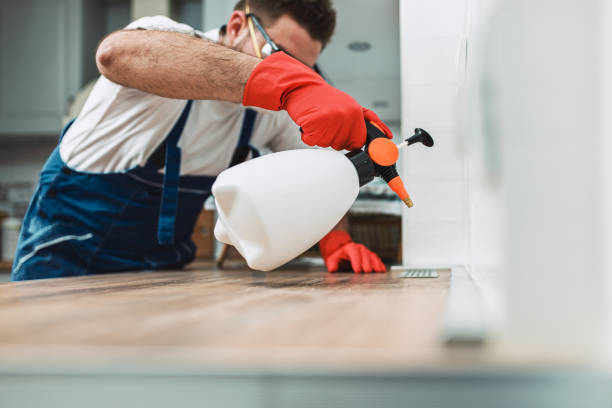
Confident Pest Control Worker With Pesticide Container Portrait Of Confident Pest Control Worker With Pesticide Container In Kitchen pest control stock pictures, royalty-free photos & images

Pest control is a competitive industry, where standing out from the crowd requires a well-planned and diverse marketing strategy. Whether you’re a small business or an established company, implementing the right tactics can help you reach more customers and grow your revenue. Below are 14 effective pest control marketing strategies designed to give your business an edge.

1. Optimize Your Website for Local SEO

A strong online presence starts with local search engine optimization (SEO). This includes:
– Ensuring your business name, address, and phone number (NAP) are consistent across all platforms.
– Adding location-specific keywords like “pest control in [City Name]” to your website content.
– Claiming and optimizing your Google My Business profile for better local search rankings.

2. Leverage Pay-Per-Click (PPC) Advertising

PPC ads on Google or Bing can effectively target potential customers searching for pest control services in their area. Focus on high-performing keywords such as:
– “Residential pest control near me”
– “Affordable pest exterminators”

Use negative keywords to avoid wasting ad spend on irrelevant traffic.

3. Build Relationships Through Email Marketing

Stay top-of-mind with current and potential clients by sending regular newsletters or seasonal tips. Consider including:
– Preventative home maintenance tips (e.g., how to keep pests out in winter).
– Exclusive discounts or offers for returning customers.

4. Invest in Professional Content Marketing

Content marketing can establish your authority as an industry expert while driving traffic to your website. Create helpful resources like:
– Blog posts on common pests and prevention tips.
– Infographics about seasonal pest activity trends.

5. Use Social Media Effectively

Platforms such as Facebook, Instagram, and LinkedIn offer powerful ways to connect with new audiences:
– Post educational content or “before-and-after” images of successful job results. – Run targeted ads based on user interests, location, and behaviors.

6. Offer Referral Incentives

Encourage satisfied customers to refer friends and family by providing incentives such as discounts or gift cards.

7. Partner with Local Businesses

Collaborate with complementary businesses like landscaping companies or real estate agents to cross-promote services.

Table Example: Benefits of Partnerships

Partner Type Benefit Example Collaboration
Real Estate Agents Access to new homeowners Include flyers in welcome packets
Landscaping Companies Targeted referrals for outdoor pest issues Joint seasonal promotions

8. Improve Reputation Management

Positive reviews greatly influence customer decisions when searching online for a service provider—especially one they trust with their home:
1 . Encourage happy clients post reviews after service completion.

Effective Strategies for Oviedo Pest Control Businesses to Leverage SEO

Search Engine Optimization (SEO) plays a pivotal role in scaling a pest control business. By ensuring that your website ranks higher on search engine result pages (SERPs), you can attract more visitors, generate quality leads, and ultimately increase your revenue. Here’s a detailed guide to why SEO is important and how it can benefit your pest control business.

How SEO Can Help Your Oviedo FL Pest Control Company Thrive

  1. Increased Online Visibility
    Most customers search for pest control services online when they face urgent issues. If your website doesn’t appear on the first page of Google or other search engines, you may lose potential clients to competitors.
  2. Cost-Effective Lead Generation
    Compared to traditional advertising methods like print or TV ads, SEO provides an affordable way to attract leads organically over time, reducing dependency on paid campaigns.
  3. Local Search Optimization
    Many pest control services depend on customers within a specific geographic area. Local SEO ensures that your business appears in local searches, maps, and directories when people look for nearby services.
  4. Trust and Credibility
    Websites that rank higher are often perceived as more trustworthy by users. This trust factor significantly impacts customer decision-making in industries like pest control where professionalism is valued.

Key Elements of Effective SEO for Pest Removal Oviedo FL Businesses

1. Keyword Research

  • Identify high-volume keywords relevant to pest control (e.g., “pest control near me,” “termite treatment,” “rodent extermination”).
  • Use long-tail keywords like “affordable pest control in [your city]” for better targeting.

2. On-Page Optimization

  • Include targeted keywords naturally within title tags, meta descriptions, headers, and content.
  • Optimize images with descriptive alt tags (e.g., “bed bug extermination service”).

3. Mobile-Friendly Design

  • Ensure your website is responsive so it performs well across devices.
  • A mobile-first approach improves user experience and boosts rankings since search engines prioritize mobile usability.

4. Local SEO Strategies

  • Claim and optimize your Google Business Profile with accurate contact information.
  • Encourage satisfied customers to leave reviews on platforms like Google and Yelp.
  • Use local schema markup to help search engines understand your service area.

5. Quality Backlinks

  • Seek backlinks from reputable websites in the home improvement or pest control niche.
  • Partner with local businesses or blogs for cross-promotion opportunities.

Practical Tips to Improve Your Website’s Rankings

  • Regularly publish relevant blog posts such as tips for preventing common pests or seasonal infestations.
  • Add an FAQ page addressing customer concerns about services offered (e.g., “Are chemicals safe around pets?”).
  • Monitor analytics tools like Google Analytics or SEMrush for website performance insights.
  • Perform regular technical audits to fix issues such as broken links or slow-loading pages.
SEO Tactic Benefit
Optimizing Title Tags Improves click-through rates
Building Local Citations Increases visibility in local directories
Creating High-Quality Blogs Positions you as an industry expert

Long-Term Benefits of Investing in SEO

  • You’ll gain consistent inbound traffic without constantly spending on paid ads.
  • A well-executed content strategy strengthens brand authority.
  • Over time, ranking higher than competitors fosters customer trust and loyalty.

By prioritizing SEO as part of your overall marketing plan, you can significantly enhance the growth trajectory of your pest control business while staying ahead of industry competitors.

Building a Strong Online Presence to Generate More Leads for Your Pest Control Services

In today’s digital age, having a strong online presence is essential for pest control businesses aiming to attract and convert potential customers. A well-established digital footprint not only boosts brand visibility but also helps position your business as a trustworthy and reliable service provider. Below are key strategies to help build your online presence and generate more leads.

Optimize Your Website for User Experience

  • Fast Loading Speeds: Websites that load in under three seconds improve user retention.
  • Clear Call-to-Actions (CTAs): Use clear CTAs like “Request a Quote” or “Schedule an Inspection” prominently on every page.
  • Mobile Responsiveness: Ensure your site adapts seamlessly to any screen size.
  • Service-Specific Pages: Create dedicated pages for specific pest control services such as termite treatment, rodent removal, or bed bug extermination.

Leverage Local SEO

  • Claim Your Google Business Profile: Ensure that your business profile is up-to-date with an accurate address, phone number, business hours, and photos of your services.
  • Use Local Keywords: Include keywords like “pest control services in [Your City]” or “[City] exterminator” throughout your website content.
  • Encourage Reviews: Positive reviews on platforms such as Google and Yelp boost credibility and improve local rankings.

Engage on Social Media Platforms

  • Post educational content about common pest issues and prevention tips.
  • Share before-and-after photos of pest treatment results with client permission.
  • Run targeted ads promoting seasonal discounts or specialized services.

Develop Quality Blog Content

Pest Control Worker With Pesticide Against Truck Portrait of confident pest control worker with pesticide against truck pest control stock pictures, royalty-free photos & images

  1. “How to Prevent Termite Damage During Spring”
  2. “Top 5 Signs You Need Professional Rodent Removal”
  3. “DIY vs Professional Pest Control: What You Need to Know”

High-quality blog posts help answer customer questions while driving relevant traffic to your site.

Utilize Paid Advertising Campaigns

Ad Type Benefits
Search Ads Appear at the top of search results for high-intent keywords like “pest control near me.”
Display Ads Reach potential customers through visual banners across relevant websites.
Social Media Ads Target specific demographics by running ads on Facebook or Instagram.

Investing in pay-per-click (PPC) campaigns ensures visibility among competitors while generating qualified leads.

Monitor Analytics & Adjust Strategies

  • Website traffic
  • Conversion rates
  • Engagement levels
  • Keyword performance

Analyzing this data allows you to refine your approach continuously.

By focusing on website optimization, local SEO, engaging social media content, quality blogging efforts, paid advertising campaigns, and analytics monitoring, you’ll create a robust online presence capable of driving consistent lead generation for your pest control business.

Building a Strong Online Presence to Generate More Leads for Your Pest Control Services

In today’s digital age, having a robust online presence is essential for every business, including pest control services. A well-designed and optimized digital strategy can help attract new customers, enhance credibility, and generate more leads. Below are some practical ways to build a strong online presence for your pest control business.

Optimize Your Website for User Experience

  • Ensure your website loads quickly (under 3 seconds).
  • Make it mobile-friendly, as many users search on their phones.
  • Include clear calls-to-action (e.g., “Request an Inspection” or “Get a Free Quote”).
  • Offer easy navigation with well-organized menus.
  • Add service-specific landing pages that detail solutions to common pest problems.
Feature Benefit
Fast Loading Speed Reduces bounce rate, improves rankings
Mobile-Friendly Design Captures leads from mobile searches
Clear CTAs Encourages user engagement

Leverage Local SEO

  1. Claim and verify your Google Business Profile (GBP).
  2. Use location-based keywords on website pages, meta descriptions, and blogs.
  3. Encourage happy customers to leave reviews on Google and Yelp.
  4. Add your NAP (Name, Address, Phone Number) consistently across directories.

Having a strong local SEO strategy ensures that when someone searches for “pest control near me,” your business appears at the top of the results.

Engage Through Social Media

Social media platforms like Facebook, Instagram, and LinkedIn are excellent tools to connect with potential customers and build trust.

  • Share educational content such as pest prevention tips or seasonal pest alerts.
  • Post videos showcasing safe pest removal processes.
  • Run targeted ads with special offers or discounts.
  • Respond quickly to comments or questions from followers.

Using social media effectively humanizes your brand while also positioning you as a trusted expert in the industry.

Develop Informative Blog Content

Content marketing plays a significant role in building authority online. By publishing blog posts tailored to common customer concerns regarding pests, you can drive more traffic to your site while providing value.

Here are some blog topic ideas: – “How to Spot Early Signs of Termite Activity” – “The Most Common Household Pests by Season” – “DIY Pest Prevention Tips That Actually Work”

Each article should be optimized for keywords and include internal links back to service pages. Consistent publishing demonstrates expertise while improving search engine rankings.

Invest in Paid Advertising

Google Ads
Run pay-per-click (PPC) campaigns targeting high-intent keywords like “affordable pest exterminators.”

Social Media Ads
Create ads on platforms like Facebook targeting homeowners within specific ZIP codes who may have an interest in home maintenance services.

Retargeting Ads
Use retargeting strategies on Google Display Network or social media platforms to re-engage users who’ve visited your site but didn’t convert into leads.

Monitor Performance with Analytics Tools

  1. Google Analytics: Monitor website traffic sources and user behavior.
  2. Search Console: Track keyword performance and identify technical SEO issues.
  3. Social Media Insights: Measure engagement rates across different campaigns.

By analyzing this data regularly, you’ll be able to refine strategies that optimize lead generation over time.

Building an impactful online presence requires consistent effort across multiple channels—but the rewards are worth it when done right: increased visibility, higher lead flow, and stronger customer trust in your business services.

Proven Content Marketing Tips Tailored Specifically for Pest Control Businesses

Content marketing is a powerful tool to attract, engage, and convert potential customers in the pest control industry. By creating and sharing valuable content that addresses your audience’s concerns, you can position your business as a trusted authority in pest management. Below are some proven strategies tailored specifically to help pest control businesses maximize their content marketing efforts.

Understand Your Target Audience

Before creating content, it’s essential to understand who your ideal customers are. Consider factors like:
Demographics: Age, location, income level, etc.
Common Concerns: What pest-related issues are they likely facing? For example: rodent infestations, termites damaging homes, or seasonal pests like ants and mosquitoes.
Preferred Platforms: Where do they consume information? Social media, blogs, or email?

Knowing these details will help you craft messages that resonate with your audience.

Types of Content That Work for Pest Control Businesses

  1. Write articles on common pest problems such as “How to Prevent Termite Damage” or “Top 5 Signs You Have a Rodent Infestation.”
  2. Provide actionable tips that homeowners or businesses can use immediately.
  3. Create visually appealing graphics showing the lifecycle of pests or steps for DIY prevention measures.
  4. Example Topic: “The Hidden Dangers of Ignoring a Bed Bug Infestation.”
  5. Demonstrations like how your team conducts inspections or implements eco-friendly pest control solutions.
  6. Short explainer videos work well on platforms like YouTube and Instagram Reels.
  7. Publish downloadable resources such as “The Ultimate Guide to Seasonal Pest Control.”
  8. Share real-life success stories highlighting how your services resolved challenging pest issues for past customers.

Optimize Content for SEO

  • Use relevant keywords such as “pest control near me,” “termite treatment,” or “mosquito prevention tips.”
  • Optimize meta descriptions and include keywords naturally in headings and subheadings.
  • Ensure local SEO by listing your business on Google My Business with updated contact details and customer reviews.
  • Regularly post fresh blog content so search engines recognize you as an active authority in the field.

Leverage Social Media

  • Post short educational posts on Facebook or Instagram with accompanying images or videos.
  • Use polls (e.g., “What’s the most common pest issue you face this summer?”) to engage followers directly.
  • Share testimonials from satisfied customers who benefited from your services.

Track Performance Metrics

To ensure your content marketing strategy is yielding results:
| Metric | Description | Example Tool | |———————–|——————————————————|———————–| | Website Traffic | Monitor visits to blog pages | Google Analytics | | Engagement Rates | Track shares, likes & comments | Facebook Insights | | Conversion Rate | Measure leads generated through calls-to-action | HubSpot CRM |

By analyzing these metrics consistently, you’ll identify what works best and adjust strategies accordingly.

Content marketing takes time but offers long-term benefits when executed strategically within the context of the pest control industry.

The Importance of Customer Reviews and Reputation Management in the Pest Control Industry

In the pest control industry, customer reviews and reputation management play a pivotal role in shaping public perception, attracting new clients, and retaining existing customers. With the rise of digital platforms, potential customers rely heavily on online feedback to make informed decisions. Below, we delve into why customer reviews are invaluable and how effectively managing your reputation can boost your pest control business.

Why Customer Reviews Matter

  • Builds Trust: Positive reviews demonstrate reliability and quality service.
  • Influences Decision-Making: Studies show that over 90% of consumers read online reviews before choosing a service provider.
  • Boosts SEO Rankings: Google favors businesses with consistent positive reviews, improving local search visibility.
  • Enhances Credibility: A strong portfolio of authentic reviews establishes your brand as an authority in pest control.

Tips for Encouraging More Customer Reviews

  1. Ask Directly: After completing a job, politely request a review from your client.
  2. Follow Up via Email or Text: Send personalized follow-up messages with links to review platforms like Google My Business or Yelp.
  3. Offer Incentives: Provide discounts or exclusive offers in exchange for honest feedback (ensure compliance with review platform policies).
  4. Leverage Social Media Platforms: Encourage customers to leave testimonials on your social channels.

Managing Negative Reviews Professionally

  • Respond Promptly: Address concerns quickly to demonstrate attentiveness.
  • Stay Professional: Avoid defensive or argumentative responses; remain calm and constructive.
  • Apologize When Necessary: Show empathy and acknowledge mistakes if applicable.
  • Provide Solutions: Offer remedies such as refunds, re-doing services, or exclusive discounts to resolve issues.

Best Practices for Reputation Management

Strategy Description
Monitor Online Presence Regularly check platforms like Google My Business, Yelp, and Facebook for feedback.
Invest in Tools Use tools like Birdseye or Reputation.com to streamline review tracking and responses.
Share Success Stories Highlight positive customer testimonials on your website and social media channels.
Train Your Team Ensure all employees understand the importance of delivering exceptional customer experiences.

The Long-Term Benefits of Reputation Management

  1. Increased referrals from happy clients who share their experiences through word-of-mouth.
  2. Improved client retention due to high satisfaction levels fostered by excellent service and support.
  3. Greater competitive advantage when compared to businesses with weak online reputations.

By prioritizing customer satisfaction and managing online feedback effectively, you can build trust within your community while positioning your pest control business as the go-to choice for professional services.


Effective Pest Removal Strategies from an Exterminator Oviedo FL: How to Detect Hidden Pests Early

Bed Bug Infestation And Treatment Service Bed Bug Infestation And Treatment Service. Bugs Extermination pest control stock pictures, royalty-free photos & images

Detecting hidden pests early is crucial for maintaining a healthy home or workspace. Early detection not only prevents damage but also ensures that infestations do not spread beyond control. This guide outlines practical steps to identify hidden pests and implement strategies for effective removal.

Signs of Hidden Pest Infestations

  • Unusual Sounds: Scratching or scurrying noises in walls, ceilings, or floors, especially at night.
  • Droppings: Small, pellet-like droppings can be a clear sign of rodents or insects like cockroaches.
  • Chewed wires, furniture edges, or insulation could indicate rodents.
  • Holes in wood may point to termites.
  • Unpleasant Odors: Musty smells or foul odors can be caused by pest infestations such as mice nests or rotting food remnants from cockroaches.
  • Grease Marks: Oily trails along walls or baseboards might suggest rodents traveling through specific routes.

Common Tools for Early Detection

Tool Purpose
Flashlights To inspect dark areas such as attic corners.
Sticky Traps To capture and monitor insect activity.
Moisture Meters To locate areas with excessive moisture where pests may thrive.
Motion Cameras To detect nocturnal activity of larger pests.
Borescopes/Inspection Cameras To look into confined spaces like wall cavities.

Key Areas to Inspect

  1. Attic Spaces: Rodents, bats, and insects often use attic spaces as nesting grounds.
  2. Wall Voids: Termites and ants commonly build colonies inside walls.
  3. Check behind appliances like refrigerators and stoves for food debris that attracts cockroaches or ants.
  4. Inspect cabinets for evidence of pantry moths or beetles.
  5. Basements/Crawl Spaces: These damp environments are ideal breeding grounds for spiders, silverfish, and rodents.

Effective Pest Removal Strategies

Once an infestation is identified, selecting an appropriate removal method is essential for resolving the issue quickly while minimizing harm to humans and pets.

  1. Use bait stations for ants and roaches in high-activity zones.
  2. Apply caulk to seal entry points such as cracks around windows or doors.
  3. Employ traps (e.g., snap traps for mice) in strategic locations based on pest activity patterns.
  4. Insecticides: Spray treatments can target specific insects like termites or bedbugs effectively when applied correctly.
  5. Rodenticides: Only use these under controlled conditions since they might pose risks when misused.
  6. Introduce essential oils like peppermint (repels spiders) or eucalyptus (deters mosquitoes).
  7. Diatomaceous earth is effective against crawling insects by damaging their exoskeletons upon contact.
  8. Professional Assistance If DIY methods fail to resolve the problem:
  9. Hiring licensed pest control contractors ensures thorough treatment using advanced tools such as heat treatments for bed bugs or fumigation for termites.
  10. Professionals provide customized solutions based on the type of pest problem encountered while ensuring safety guidelines are met.

Prevention Measures Post-Treatment

  • Conduct routine inspections every season around your property’s perimeter to identify vulnerabilities.
  • Keep food stored securely in airtight containers to reduce attraction factors inside kitchens/pantries.
  • Trim tree branches away from roofs/walls that serve as pathways for animals/insects entering homes inadvertently.

By staying vigilant about both detection techniques and preventative measures early on, you can safeguard your living space from costly damages caused by hidden pests over time—ensuring peace of mind year-round without resorting frequently expensive interventions later down the line

Effective Oviedo Pest Control: Common Places Where Hidden Pests Lurk and How to Address Them

Hidden pests can cause significant damage to your property and health if left unchecked. Identifying their common hiding spots and implementing appropriate strategies for removal is critical in maintaining a pest-free environment. Below, we explore some of the most common areas where pests hide and how to address infestations effectively.

Hidden Pest Spots You Should Know About from a Oviedo FL Pest Control Company

  1. Rodents, termites, and carpenter ants are known to create nests inside walls or attics due to the warmth and shelter these areas provide.
  2. Signs to Look For: Scratching noises, droppings, termite mud tubes, or unexplained holes in wooden structures.
  3. Food crumbs, improperly sealed containers, or leftover food make kitchens a hotspot for pests like cockroaches, ants, and pantry moths.
  4. Signs to Look For: Chewed packaging materials, droppings near food sources, or live sightings of insects at night.
  5. Damp conditions in basements or cluttered spaces in garages often attract spiders, silverfish, rodents, or even beetles.
  6. Signs to Look For: Spider webs in corners, gnaw marks on storage boxes or wires, or musty smells indicating mold-loving pests like silverfish.
  7. Moisture-rich environments such as bathrooms often harbor pests like drain flies or cockroaches that thrive in damp settings.
  8. Signs to Look For: Presence of flies near drains or water stains indicating water leakage (a potential invitation for pests).
  9. Overgrown vegetation or standing water can attract mosquitoes, ticks, termites (near woodpiles), or even rodents looking for shelter nearby before moving indoors.
  10. Signs to Look For: Pest activity around plants/trees (like aphids), mosquito larvae in stagnant water sources such as bird baths.

Effective Strategies for Pest Removal Oviedo FL

  • Use flashlights and magnifying glasses for a closer look into cracks/crevices where pests may hide.
  • Monitor high-risk areas with sticky traps or bait stations.
  • Keep track of pest activity through regular inspections.
  • Deep clean kitchens regularly by wiping down counters/shelves with vinegar-based solutions.
  • Seal all food items tightly using airtight containers.
  • Declutter storage spaces while vacuuming crevices thoroughly.
  • Fix leaky pipes promptly.
  • Use dehumidifiers in damp spaces like basements/bathrooms.
  • Sealing Entry Points | Problem | Solution | |———————-|—————————–| | Cracks/Gaps | Caulk cracks near windows/doors | | Damaged Screens | Replace window screens | | Gaps Near Plumbing Fixtures | Use foam insulation |
  • Professional Assistance When Necessary If you’re unable to control infestations despite implementing these measures—or if dealing with termites/rodents—consult licensed pest control technicians who have expertise in advanced treatment methods.

By focusing on these common hiding spots combined with actionable strategies outlined above will significantly reduce the risk posed by hidden pests while keeping your living environment safe year-round.

Recognizing the Early Signs of Pest Infestations to Prevent Major Issues

Early detection of pest infestations is crucial to prevent the problem from escalating into a major issue. Pests often hide in hard-to-access areas, making it difficult to spot them until the infestation becomes significant. By recognizing subtle indicators, you can take swift action and protect your home or business from damage and health risks.

Common Early Signs of Pest Infestations

  1. Rodents, cockroaches, and other pests leave behind droppings or urine stains in their nesting areas.
  2. Look for small pellet-shaped droppings near food storage areas, under sinks, or along baseboards.
  3. A musty or foul smell could indicate hidden pest activity.
  4. Rodents emit a strong ammonia-like odor, while cockroach infestations are often accompanied by an oily smell.
  5. Rodents chew on wires, furniture, and plastic containers to file down their teeth.
  6. Look for bite marks on food packaging or shredded materials used for nesting.
  7. Termites and ants shed their wings during certain life stages when forming new colonies.
  8. You may also find exoskeletons left by pests like bedbugs after molting.
  9. Small holes may indicate termite entry points or rodent burrowing activity.
  10. Check baseboards, attic spaces, and foundations regularly for damage.
  11. Scratching sounds coming from walls or ceilings could signal rodent activity.
  12. Listen closely during quiet hours as some pests are nocturnal.

Steps to Prevent Escalation

Pest control worker spraying pesticide on rack indoors Pest control worker spraying pesticide on rack indoors pest control stock pictures, royalty-free photos & images

  • Inspect Regularly: Schedule thorough inspections every few weeks to check vulnerable areas like kitchens, basements, attics, and garages.
  • Seal Entry Points: Use caulk or steel wool to seal cracks and openings around windows, doors, pipes, and vents to block pest access.
  • Remove Food Sources: Store food in airtight containers and promptly clean up spills to reduce attraction for pests.
  • Maintain Cleanliness: Eliminate clutter where pests can hide; vacuum frequently and dispose of garbage regularly.

When Should You Seek Professional Help?

Situation When Professional Help is Recommended
Severe infestation High activity levels that cannot be controlled by DIY efforts
Structural damage Signs of termites compromising wooden structures
Health concerns Presence of disease-carrying rodents or insects
Recurring infestations Pests returning despite preventive measures

By identifying early warning signs such as droppings, odors, noise disturbances, and structural damage — then acting promptly — you can protect your property before an infestation becomes unmanageable. Always stay vigilant as proactive measures save time and money long-term while ensuring a safe environment free from unwanted pests.

Effective DIY Pest Detection Tips and When to Seek Professional Help

Pest infestations can start subtly and grow into significant problems if left undetected. Detecting pests early is essential for maintaining a healthy and safe environment. This section provides practical DIY pest detection tips as well as advice on when to call in professional help.

DIY Pest Detection Tips

  1. Conduct Regular Inspections
    – Inspect dark and less-frequented spaces such as basements, attics, storage rooms, and crawlspaces.
    – Look for telltale signs such as droppings, chewed wiring, gnawed furniture, or unusual discoloration on walls or floors.
    – Check areas near food storage, garbage bins, or water sources where pests frequently gather.
  2. Listen for Unusual Noises
    – Pay attention to scratching or scurrying noises behind walls or in ceilings during quiet hours—these could indicate rodents like mice or rats.
    – Clicking sounds or faint rustling around wooden furniture might signal termite activity.
  3. Use Traps and Monitors
    – Sticky traps can be placed in key areas to catch insects such as cockroaches or ants. By observing the types of pests caught, you can determine the scope of the problem. – Use humane rodent traps to confirm the presence of rats or mice before taking further action.
  4. Look for Physical Damage
    Pests often leave a trail of destruction:
    | Type of Pest | Common Damage Signs |
    |——————-|————————-|
    | Termites | Hollow wood structures, blistered paint surfaces |
    | Mice/Rats | Chewed wires, torn insulation material, damaged food packaging |
    | Cockroaches | Fecal matter resembling coffee grounds near hiding spots |

When To Seek Professional Help

  1. If you notice widespread damage across multiple areas (e.g., recurrent sightings of pests), it’s time to consult professionals who have specialized treatments designed for large-scale infestations.
  2. Pests like termites often hide deep within walls or foundations where store-bought solutions may not reach effectively. Professionals use equipment like infrared scanners and baiting systems that target these hidden spaces.
    • Rodents spread diseases through their droppings.
    • Cockroaches can trigger asthma attacks in sensitive individuals. In these cases, swift intervention from licensed pest control technicians ensures safety.
  3. If a problem persists despite efforts like sealing entry points and using traps, this indicates an underlying issue requiring expert assessment.

Preventive Measures by Professionals

  • Sealing structural gaps where pests could enter.
  • Suggesting long-term maintenance plans tailored to your property.
  • Applying eco-friendly deterrents that minimize environmental impact while keeping homes secure.

By combining diligent self-inspection with timely professional services when necessary, you can effectively safeguard your space from unwanted intruders without compromising quality care standards over time.

Top Methods to Remove Hidden Pests and Prevent Future Infestations

Dealing with hidden pests requires a combination of effective removal techniques and proactive prevention strategies. By understanding the best methods for identifying, removing, and keeping pests at bay, you can protect your home or business from significant damage and health risks. This section outlines proven approaches to eliminate hidden pests while preventing their return.

Identifying Common Hidden Pests

  • Termites: Often found in walls, beams, or under flooring.
  • Rodents (mice and rats): Typically hide in attics, basements, or wall voids.
  • Cockroaches: Prefer dark corners, kitchen cabinets, or behind appliances.
  • Bed bugs: Hide in mattress seams, furniture cracks, or even electrical outlets.
  • Ants: Can nest inside wall cavities or insulation material.

Once these pests are identified, tailored solutions can be applied for effective removal.

Effective Methods to Eliminate Hidden Pests

  1. Use Baits and Traps: Traps are highly effective for rodents and cockroaches when placed near areas with high activity (e.g., baseboards or behind appliances).
  2. Apply Insecticide Sprays & Dusts: Chemical treatments can address ants or termites within walls; however, they should always be applied responsibly following the manufacturer’s guidelines.
  3. Inspect walls, windowsills, doors, vents, and cracks where pests may enter your property. Use materials like caulk or steel wool to seal gaps effectively.
  4. For rodents specifically, ensure that openings as small as a quarter inch are sealed off since they can squeeze through surprisingly small spaces.
  5. Remove food debris from countertops regularly.
  6. Store all food items in airtight containers.
  7. Empty trash cans frequently to avoid attracting pests such as flies or rodents.
  8. Professional Fumigation Services for Severe Infestations If infestations persist despite initial efforts to control them using DIY methods like baits and sprays:
    • Schedule professional pest control services specializing in fumigation.
    • Regular inspections post-treatment ensure any surviving pests are eradicated before another infestation begins.

Prevention Strategies for Future Infestations

Preventing pest problems after successful extermination is essential for long-term peace of mind.

Prevention Measure Description
Regular Inspections Check attics/basements annually for signs of nesting materials/droppings left by rodents
Landscaping Maintenance Trim shrubbery 2 feet away from house exterior minimizes easy access routes
Proper Storage Solutions Cardboard attracts insects; opt instead storing seasonal belongings plastic airtight bins.

By employing targeted removal techniques alongside ongoing preventive measures tailored location-specific challenges home/business environment will remain pest-free year-round without unnecessary reliance repeated chemical interventions.